
An expert expects South Florida housing to hold up despite economic headwinds, helped by a larger base of high-end cash buyers in the region. Cash buyers make up >50% of the market, giving the region demand support from purchasers less sensitive to rising mortgage rates overall. That buyer mix points to a market where rising mortgage rates may weigh less on...
Housing Market
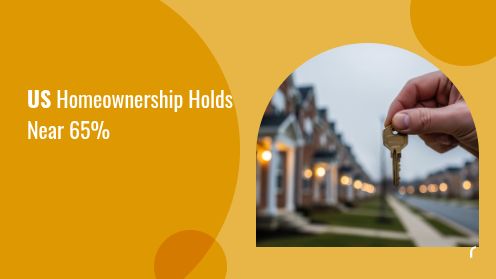
In Q1 2026, US homeownership held near 65%, statistically steady quarterly and yearly, keeping the market in its narrow mid-65% range overall. Homeowner vacancy stayed near 1%, while rental vacancy sat in the low-7% range, signaling stabilization after a modest recent inventory recovery phase. The South led vacancy measures, while the Midwest posted the highest...
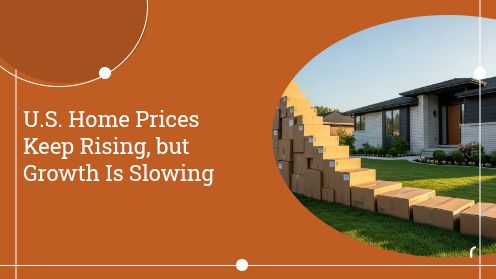
FHFA data showed nationwide prices kept climbing, but growth cooled versus earlier decade. Regional differences mattered more, shaping home values and affordability across the US. Midwest and South saw solid gains, tied to jobs, affordability, new residents. Coastal high-price markets like CA and NY showed cooling, blamed on high entry costs. Affordability...
In 2026, the Midwest and Northeast are recommended for real estate investment due to stable, affordable growth compared to overheated markets. A "Great Housing Reset" is underway, shifting focus from rapid price hikes to strategic investing in cities with affordability, steady appreciation, and strong rental demand. Post-pandemic corrections have reduced appeal in some Sun Belt areas, while...
Experts predict a significant evolution in the housing market from 2025 to 2028, with a slower pace of home price growth. Projections indicate a 4.7% increase in 2024 and 3.1% in 2025, with cumulative gains ranging from 7.5% to 31.6% by 2028. A persistent housing shortage of approximately 2.8 million homes is expected to impact affordability. Policy changes may help increase supply, but confidence in...
Large housing projects are slow and complex, often leading to higher prices. Focusing on entry-level homes will flood the market, improving housing and empowering existing homeowners....
New listings for existing homes increased by 5.1% year-over-year in February 2025, although they remain below pre-pandemic levels. This marks the highest February level since 2021, despite a decrease from January's 10.8% rise. Active listings rose by 27.5% year-over-year, continuing a trend of annual inventory growth for 16 months. However, inventory is still down 22.9% compared to typical levels...
Just over half of homeowners are willing to accept a mortgage rate of up to 5.5% for their next purchase, as indicated by a recent ResiClub survey. Continue to full article...
Rent increases have significantly slowed nationwide, providing relief to many Americans, but low- and middle-income residents in the least expensive areas are facing sharp rent hikes. In December, rents in these neighborhoods rose 7.5% annually, compared to 4.4% in middle-tier areas and 3.4% in the most expensive ones. Many tenants are now forced to make difficult financial choices, with 83% of renters...
The National Association of Realtors (NAR) predicts a 6% average mortgage rate for 2025, which could enhance housing affordability and demand. This forecast includes 1.45 million new housing starts, primarily single-family homes, and a median home price increase to $410,700. While lower mortgage rates may stimulate the market, challenges like supply shortages and regional price disparities remain. The...