
A survey reveals most homeowners prioritize strong insurance coverage but often fail to review their policies regularly. This gap between valuing protection and managing insurance details leaves many unaware of coverage limitations or outdated terms. As a result, homeowners risk discovering insufficient protection only after experiencing property damage. The findings highlight the need for more active...

Insurance & Property Tax
New-construction homes have average annual insurance premiums 35-38% lower than older homes, saving buyers over $1,000 yearly. This is due to newer roofs, plumbing, and safety standards reducing claim risks. Insurance costs rise steeply in the first decade, then gradually. Combined with lower maintenance, new homes can save buyers up to $32,000 over 10 years, improving affordability despite high mortgage...
Flood insurance in Florida covers damage from storm surges, rising water, and ground flooding, which standard homeowners' insurance does not. Homeowners' insurance only covers non-flood water damage like pipe bursts or sudden leaks. Flood insurance protects the building structure and personal property but excludes mold, outdoor property, vehicles, and paper valuables. Costs depend on flood zone...
State regulators say recent reforms lowered Florida homeowners insurance rates in 2026, yet annual premiums can still move higher for residents today. Premiums depend on each home's rate multiplied by replacement cost, so pricier materials and labor can offset lower insurance rates for homeowners. Reinsurance, essentially insurance for insurers, helps...
Three new property and casualty insurers have entered Florida's market: Builder Reciprocal Insurance Exchange, Frontline Insurance Reciprocal Exchange, and Wingsail Insurance Company. Builder Reciprocal focuses on homeowners' multi-peril insurance for new or newer home communities. Frontline offers various coverages across all 67 counties. Wingsail expanded multi-peril homeowners coverage....
The governor held a roundtable in Melbourne advocating for property tax relief focused on homestead exemptions for Florida homeowners. He highlighted a surge in local government property tax revenue from $32 billion in 2019 to nearly $60 billion in 2026, attributing it to population and housing growth. The proposal may require voter approval and depends on lawmakers finalizing the state budget...
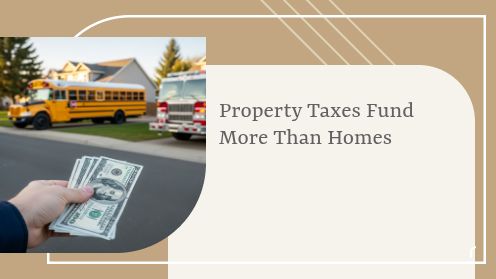
Property taxes are local levies on land and buildings that fund schools, roads, emergency services, and governments across the US. These taxes generated >$630B in 2023 and remained a major local funding source, with assessments, tax rates, and exemptions determining each homeowner's bill. Supporters argued property taxes offered steady revenue, backed...
Homeowners face rising costs from insurance premiums and HOA fees, which many underestimate. Nearly one-third pay HOA or condo fees, with 15% paying $500+ monthly. Insurance premiums rose 70% from 2019 to 2025, pushing thousands into mortgage delinquency. HOA fees also increased significantly, deterring some buyers, yet two-thirds of new homes have HOAs. Buyers should factor these costs into budgets and...
New homeowners in some US cities faced much higher property tax bills than long-time neighbors in 2025 due to assessment caps, which shifted more tax burden onto recent buyers. Effective property tax rates varied widely across cities, with commercial properties taxed significantly higher than homesteads. State-level reforms, like graduated tax structures, showed potential to reduce burdens on...
Florida homeowners face steep insurance premium increases due to high hurricane exposure, costly litigation, and rising reinsurance costs. Insurers raise rates based on statewide risks, property factors like roof condition and replacement value, and updated underwriting rules. Some increases result from coverage changes or errors. Reviewing policy details and seeking legal advice can help determine if a...